 0
0
 0
0
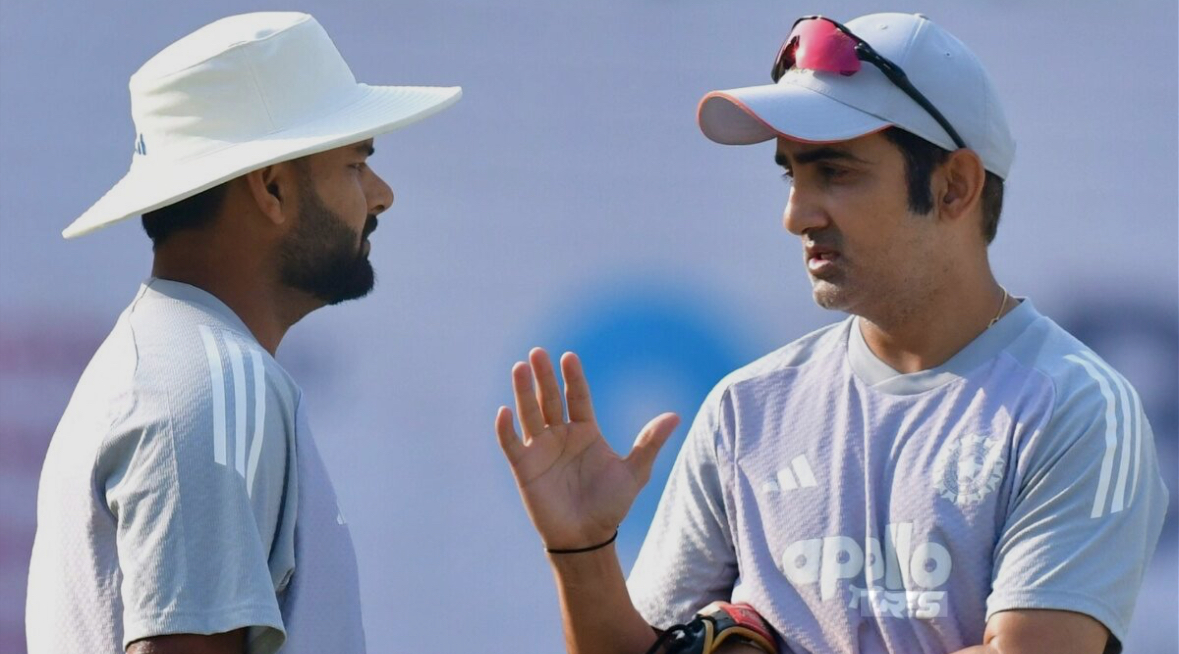
Thanks to Gautam Gambhir, does Rishabh Pant now find himself completely out of India’s white-ball plans?
If the selectors had their way, Pant was ahead of Dhruv Jurel in the race for the ODI series at home against the West Indies. So what happened next?
The big question is whether Gambhir sees Pant as a genuine white-ball option at all. Was Pant consistent enough? Or has the difference of opinion between the two over the years contributed to Pant losing ground in India’s white-ball setup?
The reality is that Pant has been out of white-ball action for a long time. He hasn’t played an ODI or T20I for more than two years, and the pecking order has moved on. In ODIs, Ishan Kishan and Jurel appear to be ahead of him as wicketkeeping options after KL Rahul. In T20Is, too, Pant no longer appears to be near the front of the queue.
That leaves Pant in an uncomfortable position: his skill-set is unquestionable, but where exactly does he fit into India’s white-ball plans?
Even his IPL situation has changed. Without the certainty of captaincy, Pant is increasingly left with Test cricket as his primary route back into India’s plans. And even there, questions are beginning to emerge over whether Jurel could eventually challenge him for a place in the playing XI.
Does it matter whether chief selector Ajit Agarkar rates his batting? Perhaps not, if Pant is not even being given a sustained opportunity to prove himself in white-ball cricket.
That, ultimately, is the bigger issue: Pant appears to have lost his place in the white-ball pecking order without being given a meaningful run to reclaim it.
And then there is the uncomfortable Delhi angle. Is this purely a cricketing decision, or is there more to the Gambhir-Pant equation than meets the eye?
Those are questions Indian cricket will have to answer.