 0
 0
The reality is rather stark. Any parent aspiring to see their child become a cricketer can sense where the game’s priorities are shifting. T20 cricket is rapidly taking centre stage. It almost seems that the ultimate ambition is no longer to wear the Indian jersey, but to secure a lucrative IPL contract!
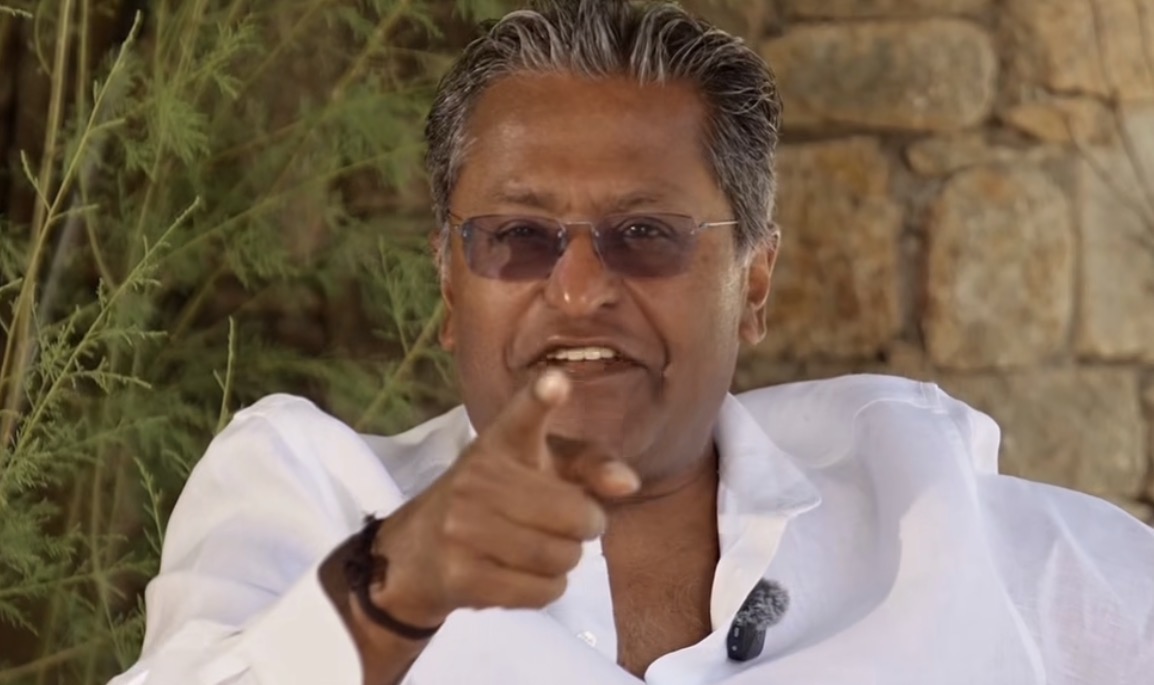
That is precisely why IPL czar Lalit Modi is lobbying aggressively for a mid-February commencement of the tournament to prioritise the tournament and seek to circumvent the sweltering May heatwaves that can push players to their physical limits.
But Modi’s ambitions stretch far beyond a mere calendar reshuffle.
94 matches are no longer the benchmark. The vision is an expanded 12-team extravaganza featuring 138 matches.
To start with 94 games wirh 90 home and away games in 77 days is already chalked out by Modi.
He is proposing two potential windows for the tournament:
October 1 – December 16
February 14 – April 30
After all, the IPL, too, has the right to expand, evolve and conquer new commercial frontiers.
Whether Modi is fully cognisant of the BCCI’s long-term blueprint for the IPL beyond 2027 remains another question. His philosophy, however, is unmistakable: relentless expansion, unprecedented commercial growth and an even bigger IPL spectacle.
Let’s not forget that the board had previously offered me an off-season window, dismissing it as commercially unviable and questioning its financial potential.
But the landscape has transformed dramatically. The IPL has become a colossal cricketing powerhouse, and its appetite for expansion appears far from satiated.
“The question is no longer whether the IPL can grow. It is how far this cricketing juggernaut intends to go,” Lalit Modi said while speaking to CricBlogger from London.
It’s not that Modi has anything against Test or ODI cricket. However, he believes these formats have become stumbling blocks to the IPL realising its full potential. The market forces are firmly behind T20 cricket, and there is little anyone can do to reverse that trend.
According to Modi, if the BCCI fails to capitalise on the IPL’s enormous growth potential and create a proper roadmap for its expansion, it risks slowing down the tournament’s momentum.
“T20 is ruling the roost, while other boards aren’t making much money. The BCCI has to take a stand and prioritise the IPL more,” Modi said.
He also argued that the ICC’s practice of organising a major trophy almost every year has diluted the prestige and exclusivity of being crowned world champions.
Modi believes the IPL’s commercial potential is virtually limitless.
“Imagine if every Indian, out of a population of 800 million, contributed just $2 annually. That alone would generate $1.6 billion a year through subscriptions, without even factoring in the revenue from broadcasting rights,” Modi said.
Would it be difficult to secure the availability of overseas players during the January–April window? Modi, however, remains confident that the international cricketing landscape must evolve along the lines of football, where players regularly compete in major club leagues across different countries.
“Foreign cricketers will certainly come, and that is how India should operate. We need to find a cooler, more suitable way to beat the heat and unlock the IPL’s maximum potential,” Modi added.
Ultimately, Modi believes that the balance of power in world cricket rests firmly with India. Most international boards depend heavily on bilateral series against India for a substantial share of their revenues. If the BCCI chooses to assert its priorities and clearly communicates its vision to the cricketing world, other boards may have little choice but to align themselves with India’s ambitions.
India doesn’t just own the IPL; it holds the financial power to dictate the future of world cricket.