 0
0
 0
0
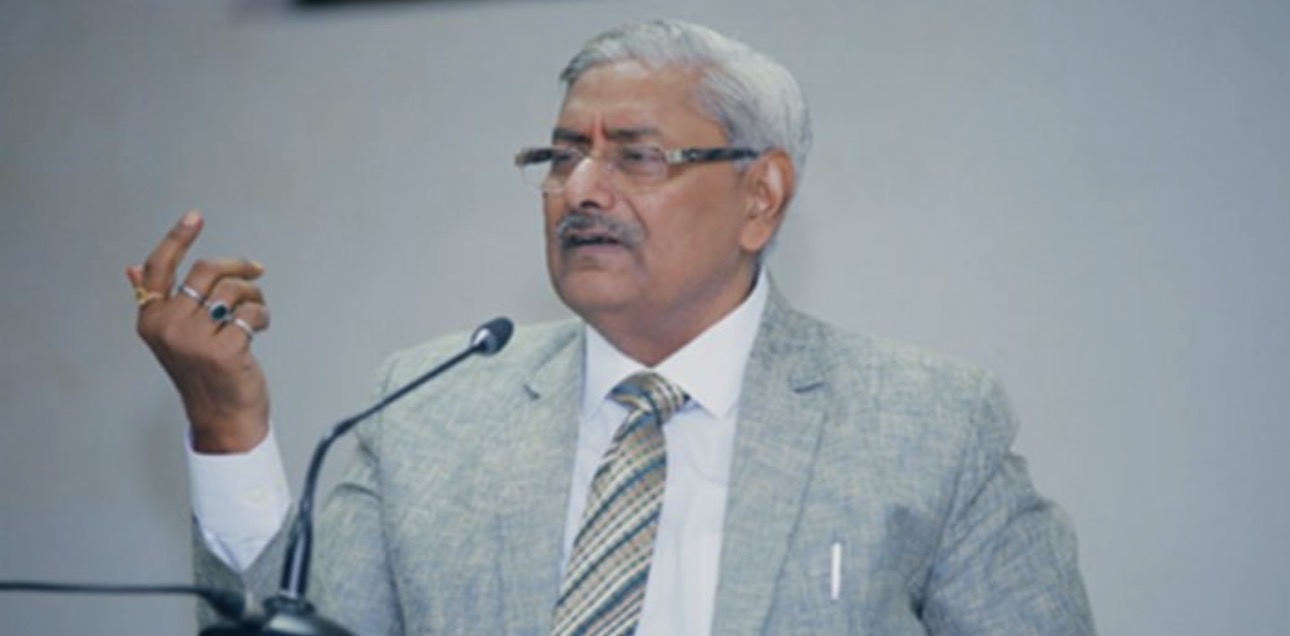
A conflict-of-interest complaint filed by cricket enthusiast Upendra Yadav against office-bearers of the Uttar Pradesh Cricket Association (UPCA) and BCCI vice-president Rajeev Shukla has prompted the intervention of the Board of Control for Cricket in India’s (BCCI) Ombudsman and Ethics Officer, Justice (Retd.) Arun Misra.
The complaint raises allegations concerning the extension of commercial support to close relatives and their alleged involvement, directly or indirectly, in cricket administration. Taking cognisance of the matter, Justice Misra has issued an order to the concerned parties, seeking their explanations on the allegations.
A legal notice has also been issued to the UPCA office-bearers and Shukla. The parties have been given four weeks to file their replies, following which the complainant will have seven days to file a rejoinder, if any.
“Rejoinder, if any, be filed within 7 days thereafter,” the order states.
The complaint names Shukla’s nephew, Sachin Anand Shukla, as well as Omar Mustafa Hassan, the son of a UPCA director. It alleges that the individuals have received commercial support and that their association with cricket administration raises questions under the BCCI’s conflict-of-interest framework.
The complaint further alleges that the positions held by the individuals have been used to exercise influence, either directly or indirectly, over the functioning of cricket administration in Uttar Pradesh.
At this stage, however, these remain allegations contained in the complaint and have not been established as findings against the concerned individuals. The parties will now have an opportunity to present their explanations before the Ombudsman and Ethics Officer.
CricBlogger contacted Rajeev Shukla for his response, but he was unavailable for comment.
A source close to Shukla, however, strongly disputed the allegations and maintained that there was no conflict of interest involved. The source argued that the involvement of relatives of cricket administrators in various capacities is not unusual within the Indian cricketing system and claimed that similar arrangements exist across several state associations.
“This isn’t new to the system,” the source said, while arguing that cricket administration could lose experienced hands if relatives and associates of administrators are automatically barred from participating in different capacities.
The central question, therefore, is not merely whether relatives of office-bearers are associated with cricket administration, but whether such associations create an actual or perceived conflict of interest under the BCCI’s rules and whether any commercial benefit or administrative influence has been exercised in violation of those provisions.
The Ombudsman’s order now puts the matter formally under scrutiny. The responses submitted by the UPCA office-bearers and Shukla could provide greater clarity on the nature of the alleged commercial arrangements, the roles of the individuals named in the complaint, and whether the relationships fall within the ambit of the BCCI’s conflict-of-interest regulations.