 0
0
 0
0
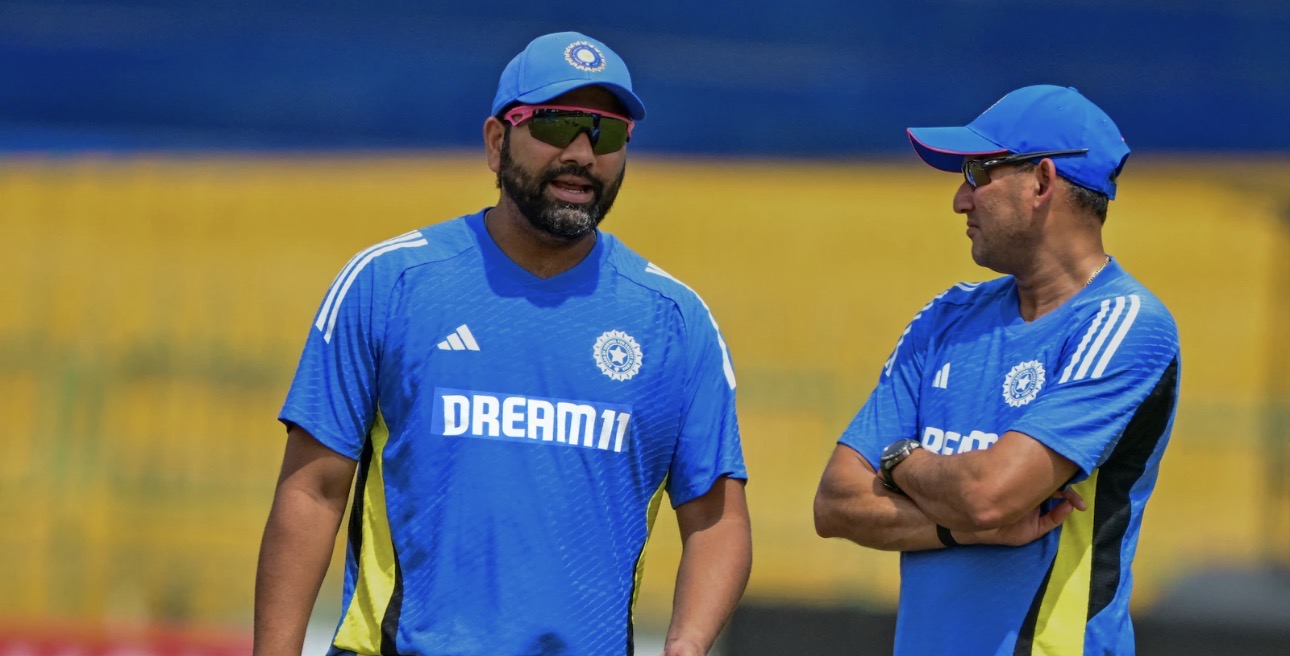
The Indian selectors had told Rohit Sharma twice, before the England ODI series, that his time was up and that he would not be part of India’s plans for the 2027 World Cup, sources told CricBlogger.
But what followed was a remarkable change in approach.
The Lord’s ODI was reportedly expected to be Rohit’s “last dance” in India colours. Yet the intense social media backlash that followed changed the narrative, with the focus suddenly shifting from merit and performance to public sentiment.
Rohit, who had already been given a clear indication about his future, suddenly found himself back in the 2027 World Cup conversation. The question is whether the selectors genuinely changed their assessment of his cricket — or whether the unprecedented noise on social media made it difficult to stick to the original decision.
If a player’s future can change because of the reaction on social media, then Indian cricket needs to ask a much bigger question: Who is really making the selection calls — the selectors or the social media mob?
That is the uncomfortable question now hanging over Rohit’s 2027 World Cup prospects.
Amid all this, there is now a serious possibility of chief selector Ajit Agarkar coming under pressure over the way the Rohit Sharma succession narrative was handled. But that raises another question: if the majority of the selection committee was on the same page with Agarkar about Rohit’s ODI future, why should the chief selector alone be held responsible?
Sources told CricBlogger that the selectors first spoke to Rohit about their ODI plans soon after the IPL and made it clear that he was unlikely to figure in their long-term thinking. The selectors then spoke to him again ahead of the England ODI series selection meeting, a conversation that, according to sources, eventually led to the understanding that the Lord’s ODI could be his final appearance for India.
But Rohit, sources claim, was not prepared to simply accept the decision. He is understood to have remained in touch with influential board officials while exploring every possible avenue to challenge or counter the selectors’ thinking.
“He isn’t listening to the selectors at all. As luck would have it, he showed his class once again in the Lord’s ODI,” source told CricBlogger.
The Rohit episode, therefore, is no longer merely about one cricketer’s future. It has exposed serious questions about the balance of power between the selectors, senior players and the BCCI. If a decision taken collectively by the selection committee can be altered by pressure from outside the selection room, then accountability cannot rest with one individual.
And if Agarkar is ultimately made the fall guy, as he likely will be, the bigger question is: was this really his decision alone, or did Indian cricket simply back down when the pressure mounted?