 0
0
 0
0
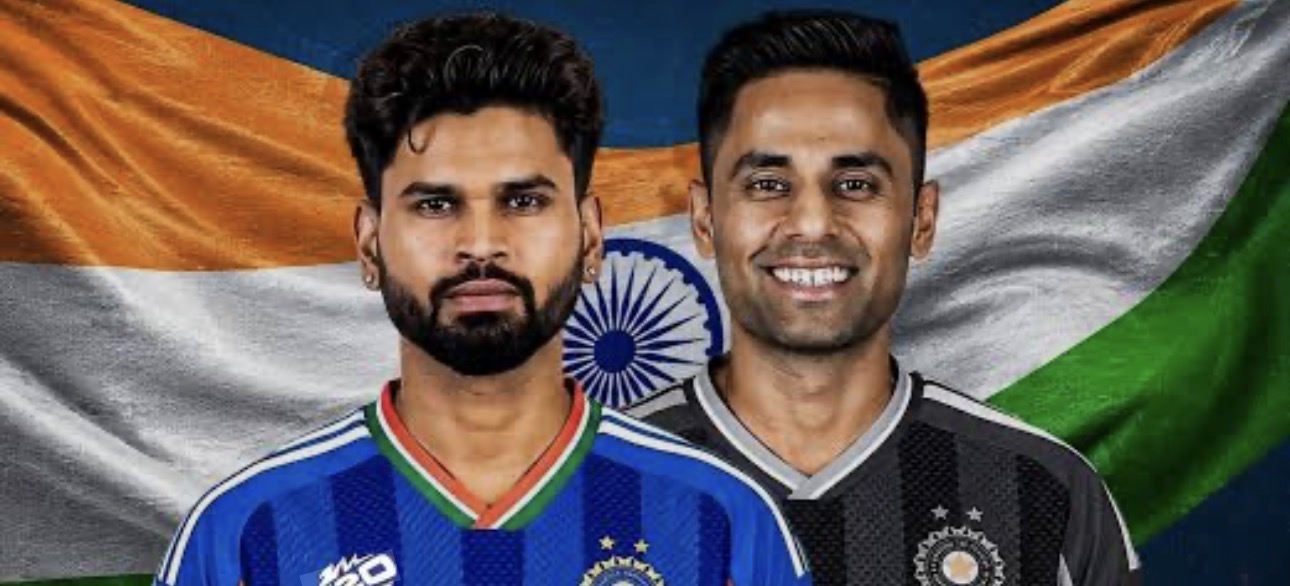
Over the last two months, Shreyas Iyer has emerged as a leading contender for the captaincy of India’s T20 side, while names such as Ishan Kishan, Tilak Varma and Sanju Samson have also surfaced, making it an intriguing race.
A similar situation unfolded two years ago. The only difference was that Hardik Pandya had been told that he would lead the T20 side and gradually be groomed for the ODI captaincy in the years ahead. However, within 48 hours, the narrative changed dramatically. Hardik suddenly became the villain. Teammates described him as arrogant and uncouth, while some even questioned whether he was fit to be captain at all.
Eventually, Hardik was overlooked for the role and Suryakumar was appointed captain instead.
In the midst of all this, outgoing captain Rohit Sharma had sounded out Rishabh Pant as a potential successor in T20 cricket and had even given him a heads-up. What Pant perhaps did not know was that newly appointed head coach Gautam Gambhir strongly opposed his candidature — a position he is believed to have maintained ever since.
Pant has fallen out of favour in white-ball cricket, while Suryakumar now faces an uncertain future as captain. There is a growing belief in some quarters that he may eventually have to step away from international cricket and focus more on franchise cricket, especially with Mumbai Indians having enough reasons to reconsider their long-term plans around him.
Welcome to Indian cricket. There is always room for uncertainty, drama and a fair bit of tamasha. If even the captain of the team does not feel secure enough despite having considerable backing and influence to push for more of his preferred players, what chance do others really have?
In Indian cricket, today’s favourite can become tomorrow’s outcast overnight. Alliances shift, opinions change and power equations evolve with remarkable speed. That is why every captaincy race, selection meeting and leadership transition often produces more questions than answers. The only certainty is that nothing remains certain for long.
Just imagine the situation. Rohit Sharma, who until recently was dictating terms in Indian cricket, is now nothing. Even chief selector Ajit Agarkar had his preferred candidate in Surya two years ago and was determined to back him. At one stage, there were even whispers that Agarkar had offered to resign — a move that many interpreted as a pressure tactic aimed at conveying a clear message to the BCCI: it’s our way or the highway.
That episode also summed up the power struggles within Indian cricket. When captains, selectors, board officials and coaches are all backing different candidates, chaos can easily rule the roost. Therefore, Shreyas being named India’s T20 captain is no longer the story. The real story would be if he isn’t. We have seen this movie before with Hardik, who appeared certain to take over before the script was suddenly rewritten.
In Indian cricket, public perception often carries as much weight as cricketing logic, if not more. Just when a decision appears final, fresh narratives emerge, pressure builds and equations change. That is why nothing should be taken for granted. Shreyas may be the overwhelming favourite today, but Indian cricket has a habit of producing last-minute twists. Until the official announcement is made, every certainty comes with an asterisk.