 0
0
 0
0
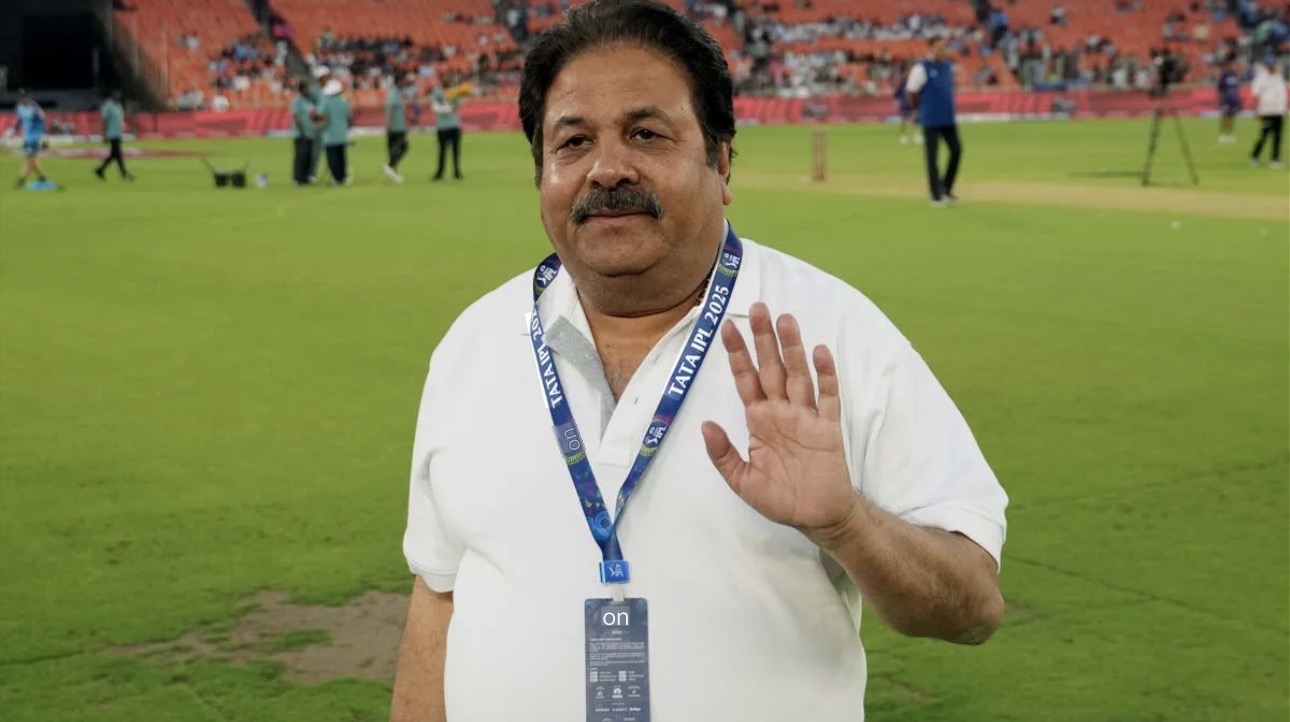
In cricket, longevity is a priceless virtue, and few understand its value better than the Board of Control for Cricket in India (BCCI) vice-president Rajeev Shukla. At a time when some critics continue to question his relevance within the BCCI, Shukla remains firmly entrenched, quietly extending a journey that has outlasted generations of administrators.
For him, criticism — whether voiced publicly or behind his back —has never seemed to matter. He simply carries on. In many ways, Shukla has become the most enduring and visible administrator in the history of Indian cricket. Office-bearers have come and gone, but “Shukla ji,” as a former India captain famously says with unmistakable emphasis, has remained a constant presence.
That is the aura he carries wherever he goes as the BCCI vice-president. There are even those within the system, including a paid official who dislikes Shukla’s interactions with the current crop of Indian cricketers. Yet, his accessibility and popularity continue to outweigh such reservations.
With decades of administrative experience behind him, Shukla’s association with Indian cricket has, in terms of longevity, even surpassed the playing careers of many legends, including Sachin Tendulkar. From serving as the Indian team’s manager during the memorable 2001 NatWest Series to becoming one of the most approachable and influential administrators in modern Indian cricket, Shukla has built a unique legacy.
He is often the first point of contact for players. He listens to their concerns, conveys their grievances to the right authorities, speaks with selectors when necessary, and helps talented cricketers find opportunities. In many respects, he has become a one-stop bridge between players, administrators, and the system.
Whether it is defusing a delicate political situation or navigating one of the BCCI’s most complex administrative challenges, Shukla has repeatedly demonstrated an ability to handle difficult issues with remarkable ease. That ability, perhaps more than anything else, explains why he continues to remain one of the most influential figures in Indian cricket administration.
With multiple T20 leagues being played simultaneously — including the Uttar Pradesh League, the state competition from where Shukla represents the BCCI — he still finds the time to mentor and attend tournaments such as the Delhi Premier League. He is equally quick to engage in discussions about promising domestic cricketers from across the country, keeping a close watch on talent beyond the headlines.
Much of that instinct stems from his background as a journalist. Curiosity, accessibility and an eye for talent remain integral to his personality. As he continues to mentor cricketers from underprivileged backgrounds, Rajeev Shukla has evolved into much more than just an administrator. For many young players, he is a guiding force, while for journalists, he remains one of the most approachable and dependable figures in Indian cricket. Despite an exhausting travel schedule, he continues to criss-cross the country because, above all else, he genuinely loves being a part of the game.