 0
0
 0
0
When India’s ODI captain Shubman Gill admitted after the ODI series defeat to England that his bowlers were breaking down within a short span, it was more than a passing observation — it was a stark warning. If this disturbing trend continues, it could snowball into a full-blown crisis for Indian cricket.
Privately, several former greats have already expressed deep concern, saying that most of the current crop of fast bowlers are no longer equipped to deliver spells longer than three overs. That raises a far more ominous question: who will shoulder the burden in Test cricket, where endurance, stamina, and sustained intensity are non-negotiable?
India’s bowlers appear to have become so conditioned to operating in short, thanks ro T20 cricket, explosive bursts that anything beyond three overs is increasingly viewed as a physical gamble. If that mindset — and more importantly, that fitness profile — doesn’t change, India’s much-vaunted pace attack could find itself woefully ill-equipped for the relentless demands of the longest format, including ODI cricket.
Another worrying trend is that several frontline bowlers barely bowl full-fledged spells during net sessions. It is a stark contrast to an earlier era when legends like Kapil Dev would tirelessly bowl in the nets to build rhythm, endurance, and match fitness. Today’s generation, by comparison, often relies on gym sessions and fitness drills in the hope that it will automatically translate into better performances on the field.
With throwdown specialists dominating practice sessions and an army of net bowlers shouldering much of the workload, the premier fast bowlers no longer have to sweat it out for extended periods in the nets. The emphasis has shifted from repetitive bowling to workload management, making sustained bowling practice almost optional. While the approach may help preserve bodies in the short term, it also raises uncomfortable questions about whether the current generation is developing the stamina and resilience required to excel in Test cricket.
India’s spin attack, too, has struggled to produce genuine match-winners. The only spinner capable of consistently turning the ball and producing moments of brilliance is Kuldeep Yadav, yet he has rarely enjoyed the complete confidence of head coach Gautam Gambhir. The rest have largely operated as supporting acts, containing runs rather than running through batting line-ups. At present, India lacks a genuine strike spinner — someone capable of changing the course of a match with a single spell.
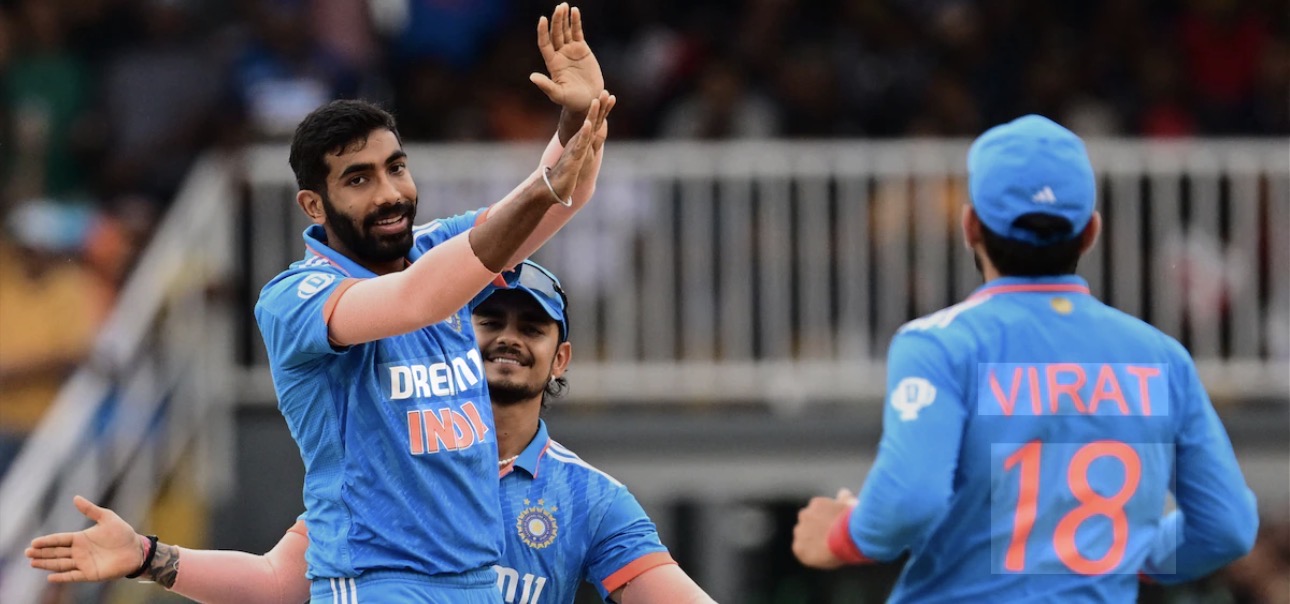
That leaves Jasprit Bumrah carrying an overwhelming share of the responsibility. His workload is so carefully managed that he is even asked to skip Test matches to preserve his fitness, despite his own desire to play. Such caution is understandable only because there is no other bowler in the attack capable of consistently delivering match-defining spells.
Then the question is: who is going to take those 20 wickets in Test matches?
Mohammed Shami, despite his advancing years, could still play an important role, particularly in ODIs, while Bhuvneshwar Kumar’s experience and skill remain valuable in the 20-over format. Yet the team management appears singularly focused on long-term planning, often at the expense of immediate results.
There is an old cricketing adage: batsmen win you matches, but bowlers win you tournaments. If India does not rebuild a potent attack with genuine wicket-taking options — pace and spin — the warning signs could soon develop into a full-blown crisis. The time to address the problem is now, before it slips completely out of hand.